




Sega is a multinational video game developer and publisher, with a rich history of producing some of the most iconic video game consoles in the industry. Sega’s console history spans several decades, from the early 1980s to the present day, and has seen the company release a variety of successful consoles that have been enjoyed by millions of gamers around the world.
Sega’s journey began in 1983 when they released their first console, the SG-1000. The SG-1000 was Sega’s answer to the popular Nintendo Famicom, and while it did not sell as well as its Nintendo counterpart, it still helped to establish Sega as a viable player in the console market.
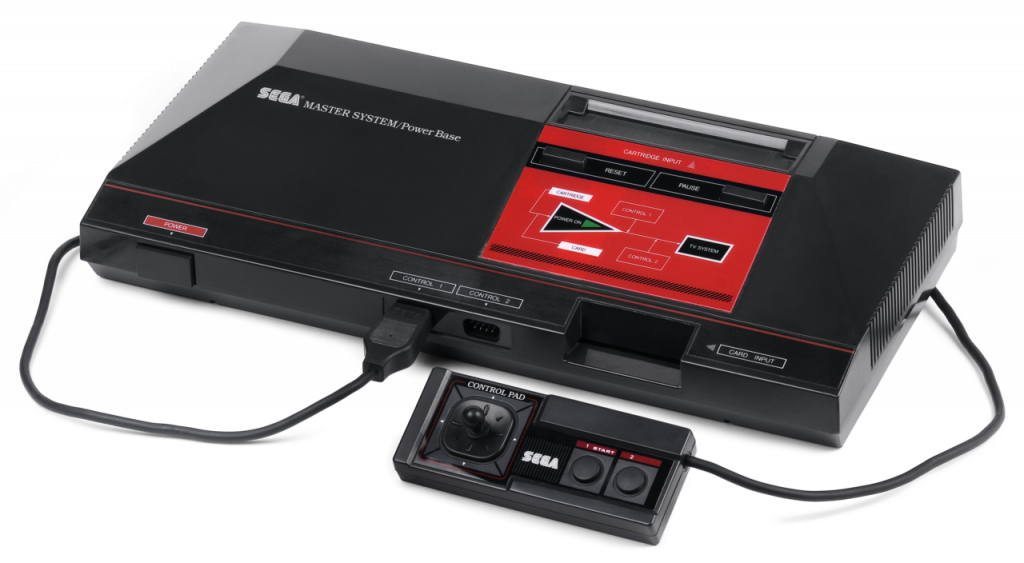
Sega’s next console, the Sega Master System, was released in 1985 and proved to be a significant improvement over its predecessor. The Master System had better graphics and sound capabilities and boasted a larger library of games, which helped it to become a popular console in many regions, including Europe and Brazil.
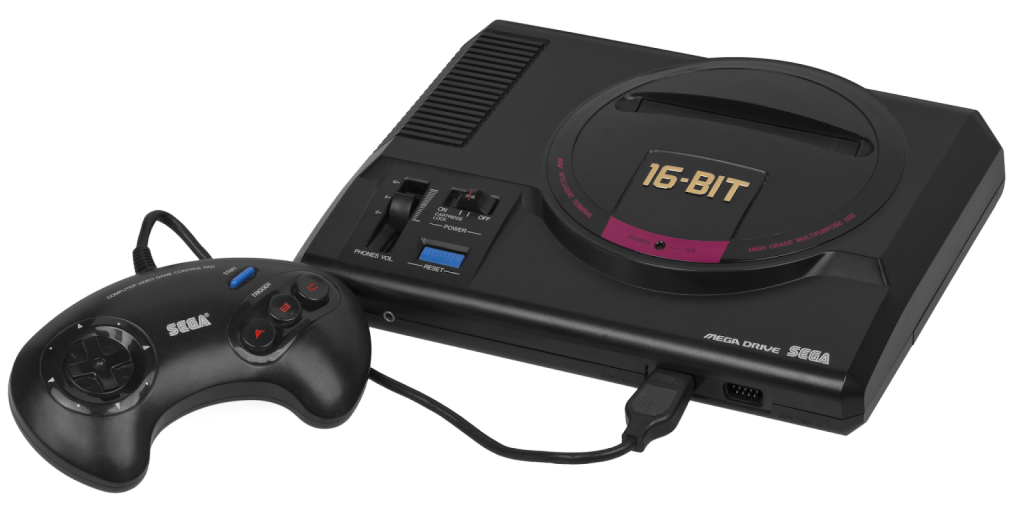
However, it was the release of the Sega Genesis in 1988 that marked a turning point for the company. The Genesis, known as the Mega Drive outside of North America, was a huge success, and helped to establish Sega as a major player in the console market. The Genesis was famous for its “blast processing” technology, which allowed for smoother, faster gameplay, and it also had a large library of popular games, including Sonic the Hedgehog, which became one of the most iconic video game franchises of all time.
Sega’s success continued with the release of the Sega CD add-on for the Genesis in 1991. The Sega CD added CD-ROM capabilities to the Genesis, allowing for larger, more complex games and improved graphics and sound. However, despite the initial excitement around the Sega CD, it ultimately failed to capture the market and was discontinued in 1996.
In 1994, Sega released the Sega 32X, an add-on for the Genesis that promised to provide 32-bit gaming capabilities. However, the 32X was also a commercial failure, and it was discontinued less than a year after its release.
Undeterred, Sega continued to push forward with the release of the Sega Saturn in 1994. The Saturn was a 32-bit console that was designed to compete with the Sony PlayStation and the Nintendo 64. However, the Saturn’s complex hardware architecture made it difficult for developers to create games for the console, and it ultimately failed to capture the market.
Sega’s final console, the Dreamcast, was released in 1998. The Dreamcast was a 128-bit console that boasted impressive graphics and sound capabilities, and it was the first console to have a built-in modem for online gaming. Despite strong reviews and a loyal fan base, the Dreamcast was not able to compete with the PlayStation 2, which was released the following year, and Sega ultimately discontinued the console in 2001.
While Sega is no longer producing consoles, their legacy lives on in the many classic games and franchises that they created over the years. From Sonic the Hedgehog to Phantasy Star, Sega has left an indelible mark on the video game industry, and their consoles have played a significant role in the evolution of gaming technology over the last several decades.